Effortless Smart Home Orchestration Without Code
Today we’re exploring smart home orchestration without coding, linking sensors, schedules, and scenes to shape living spaces that simply feel right. You’ll learn how motion, time, and context can coordinate lights, climate, music, and more using visual tools. Expect practical tips, warm anecdotes, and ideas you can copy tonight. Share your favorite success or hiccup in the comments and subscribe for weekly upgrades to comfort, safety, and energy savings—crafted with clarity, not complexity.

From Triggers to Comfort: How It All Connects

Great automations begin with a clear map of cause and effect. Sensors detect change, schedules provide rhythm, and scenes express your preferred outcome. When you stitch them together visually, your home behaves like a thoughtful host, anticipating needs before you speak. We’ll explain how to avoid loops, curb false alarms, and stack conditions gracefully. By the end, you’ll trust your setup the way you trust a reliable friend who remembers your habits and respects your preferences without fuss or constant tweaking.

Designing Routines You’ll Actually Use

Practical routines begin with observing your day. List friction points: dark hallways, chilly mornings, forgotten porch lights, or speakers blaring at bedtime. Translate each friction into a gentle fix powered by sensors, schedules, and scenes. Avoid one-shot tricks; build patterns that earn trust by working every time. If a routine confuses guests, simplify it. A small anecdote: after missing the trash pickup twice, we added a calendar-linked reminder that flashes the garage light softly at dusk. Quiet, effective, and weirdly satisfying.

A Morning That Unfolds On Its Own

Let dawn set the tone. As light increases, wake slowly with warm dim lights and a thermostat nudge. A motion sensor in the kitchen can cue under-cabinet lights and news headlines at a comfortable volume. If the forecast predicts heat, pre-cool rooms before the sun roars. Keep everything reversible—one tap cancels if plans change. The result is a morning that feels composed, with helpful nudges replacing abrupt alarms and harsh brightness, turning routine starts into reliable, drama-free beginnings you genuinely look forward to.

Leaving Home Without Second Guessing

Departure should be calm, not a parade of switches. Use a phone-based presence check or a double-tap on a hallway switch to arm an away scene: turn off lights, lower shades, adjust climate, and pause music. A five-minute grace period lets anyone still inside cancel. If doors remain open, send a polite notification instead of locking aggressively. You’ll stop wondering, “Did I turn that off?” because your home does the checklist for you, confirming with a concise message that feels reassuring, not nagging.

Bedtime That Calms the House

Wind down with a single command that dims common areas, closes blinds, arms quiet security, and sets gentle night-lights for safe late-night paths. Smart sockets silence humming chargers, and a toddler-friendly bathroom night scene prevents stumbles. If a door opens after midnight, a corridor light rises softly instead of blinding. Build in a temporary guest mode for late arrivals. The intention is serenity: fewer screens, fewer steps, and a house that whispers goodnight by helping everyone rest without jolts or oversight-heavy rituals.

Motion, Contact, and Presence Done Right
Aim motion sensors across walking paths rather than directly at doorways to capture gradual movement and reduce missed triggers. Pair contact sensors with automations that truly matter—pantry lights that timed-out gracefully, or laundry alerts when lids stay open. Presence is trickier: combine phone geofencing with Wi‑Fi detection or a room-level sensor, then set reasonable delays to avoid false departures. The goal is confidence, not speed. When signals convey real occupancy, routines stay calm, lights behave consistently, and people trust outcomes.

Choosing Between Zigbee, Z‑Wave, Thread, and Wi‑Fi

Each protocol shines in different ways. Zigbee and Z‑Wave form robust meshes with low power draw, ideal for battery sensors and responsive lighting. Thread brings modern reliability and fast recovery, especially under Matter. Wi‑Fi offers bandwidth but can crowd networks if overused. Mix intelligently and anchor your setup with a reliable hub or border router. Keep critical routines local so outages don’t break bedtime. When you choose thoughtfully, devices feel coordinated instead of chaotic, and scenes fire with crisp, predictable timing.

Time, Light, and Context

Context makes automations feel considerate rather than robotic. Align schedules with the sun, adapt to seasons, and let ambient light govern brightness so spaces never feel harsh. Blend calendar states—work from home, vacation, or party—with household needs. Geofencing can be delightful when tuned, annoying when aggressive. Establish quiet hours that dim notifications and slow automations to a gentler tempo. With thoughtful context, your home stops reacting blindly and starts supporting routines with nuance, warmth, and a reassuring sense that someone is paying attention.

Layered Scenes and Conflict-Free Control
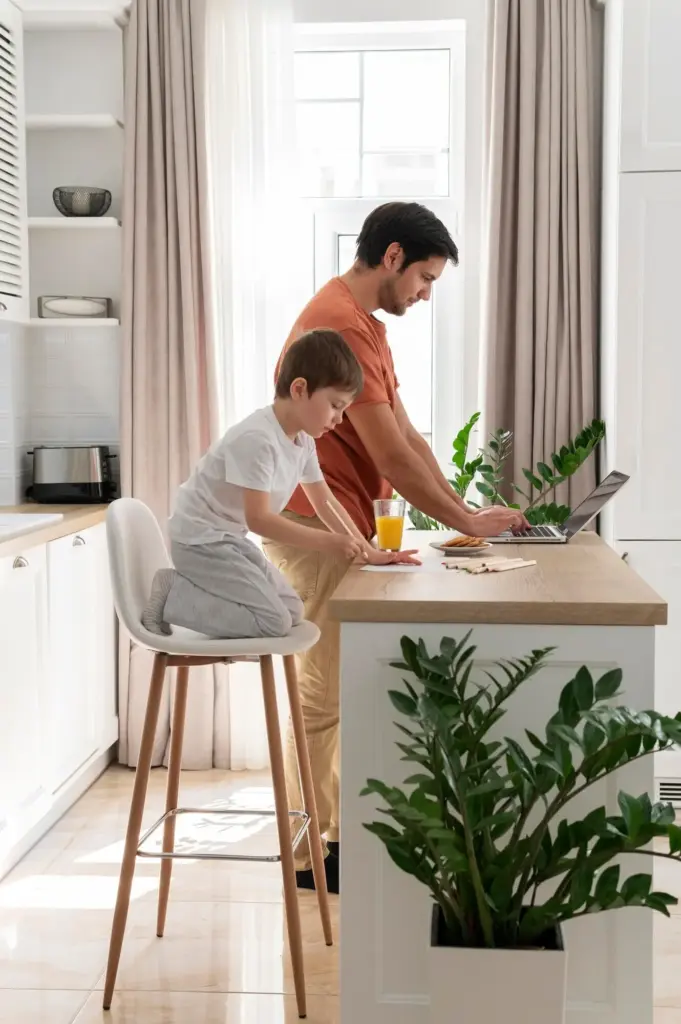
Scenes can collide if they fight over the same devices. Solve this by layering: per-room scenes handle local mood, while house modes define broad behavior like daytime, evening, or away. Let the broader layer set boundaries and the room layer add personality. Provide quick overrides—voice, widgets, or a smart switch pattern—so humans can lead when needed. Build timeouts for temporary changes to expire gracefully. When layers cooperate, the system feels flexible yet calm, avoiding tug‑of‑war moments and delivering harmony daily.

Safety, Privacy, and Resilience

Local First, Cloud When It Helps

Run critical routines—locks, lights, climate, and alarms—on a local hub so internet interruptions don’t break the essentials. Use cloud features for remote access and voice only when needed, and prefer services that support end‑to‑end encryption. If you change platforms, keep your device naming and scene design portable. This approach protects privacy, boosts speed, and reduces finger‑crossing moments. The result is a foundation strong enough to handle surprise storms, provider outages, and normal life without sacrificing convenience or peace of mind.

Notifications That Inform, Not Alarm

Run critical routines—locks, lights, climate, and alarms—on a local hub so internet interruptions don’t break the essentials. Use cloud features for remote access and voice only when needed, and prefer services that support end‑to‑end encryption. If you change platforms, keep your device naming and scene design portable. This approach protects privacy, boosts speed, and reduces finger‑crossing moments. The result is a foundation strong enough to handle surprise storms, provider outages, and normal life without sacrificing convenience or peace of mind.

Logs, Insights, and Energy Wins

Run critical routines—locks, lights, climate, and alarms—on a local hub so internet interruptions don’t break the essentials. Use cloud features for remote access and voice only when needed, and prefer services that support end‑to‑end encryption. If you change platforms, keep your device naming and scene design portable. This approach protects privacy, boosts speed, and reduces finger‑crossing moments. The result is a foundation strong enough to handle surprise storms, provider outages, and normal life without sacrificing convenience or peace of mind.

Latavukerivuzufelitizo
Privacy Overview

This website uses cookies so that we can provide you with the best user experience possible. Cookie information is stored in your browser and performs functions such as recognising you when you return to our website and helping our team to understand which sections of the website you find most interesting and useful.